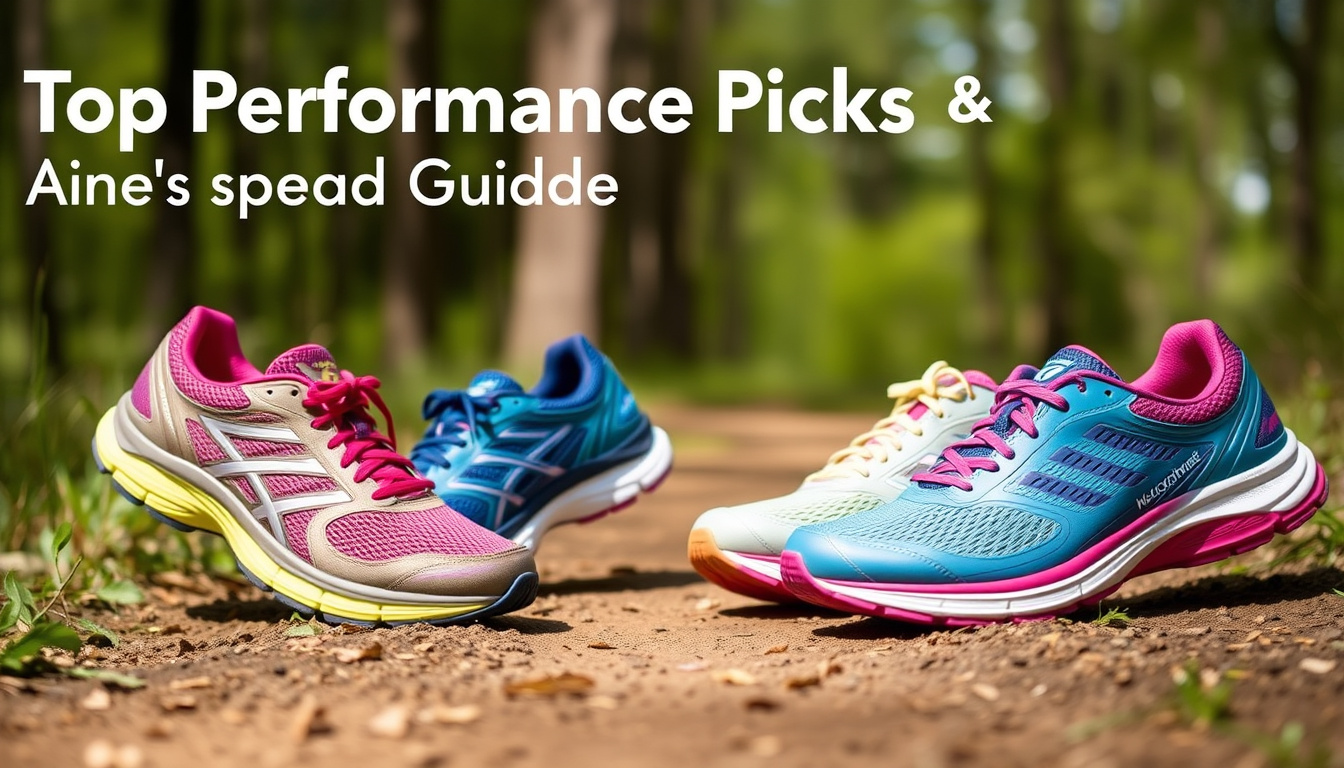

What Are the Best Running Shoes for Women?
Finding the right pair of running shoes can significantly impact comfort, performance, and injury prevention for female runners. The market offers numerous options designed specifically for women’s biomechanics, with variations in cushioning, fit, and support that account for differences in foot structure and gait patterns.
Whether you’re a seasoned marathoner or lacing up for your first jog, understanding which shoes excel in specific categories helps narrow your search. Industry testers and footwear experts evaluate models based on cushioning responsiveness, breathability, durability, and overall ride quality across various running paces and distances.
Top Picks Overview
The following overview highlights standout models across four key categories. Each shoe has been evaluated for daily training versatility, cushioning performance, value, and speed capability.
| Category | Top Model | Primary Strength | Price Tier |
|---|---|---|---|
| Overall Best | Asics Novablast 5 | Versatile daily training, responsive cushioning | Mid-range |
| Maximum Cushioning | Nike Vomero 18 | Soft, responsive feel for long runs | Premium |
| Best Value | New Balance Ellipse v1 | Affordable daily comfort | Budget |
| Best for Racing | Saucony Endorphin Elite 2 | Speed-focused performance | Premium |
Key Insights on Women’s Running Shoes
- Women’s running shoes typically weigh 10-20% less than equivalent men’s models due to smaller sizing and optimized materials
- The heel-to-toe drop for most women’s running shoes ranges between 8-10mm, providing a smooth transition from heel to toe
- Top-performing women’s shoes average approximately 7.3 ounces in women’s size 6.5
- Hoka and Asics consistently rank highest for cushioning and overall comfort in expert reviews
- Wider toe boxes in models like Hoka Clifton 10 and Bondi 9 accommodate natural foot splay during running
- Premium shoes with advanced foam technology can last 400-500 miles before cushioning degradation becomes noticeable
- 2024 trends emphasize maximal cushioning with responsive midsole foams that balance comfort and speed
Quick Facts: Women’s Running Shoes
| Specification | Typical Range | Notes |
|---|---|---|
| Average Price | $100-$180 | Varies by brand and technology level |
| Heel-to-Toe Drop | 8-10mm | Common for women’s specific models |
| Average Weight | 7.3 oz (size 6.5) | Lighter than men’s equivalents |
| Durability | 300-500 miles | Depending on cushioning type and usage frequency |
| Replacement Frequency | 4-6 months | For regular runners logging significant mileage |
Women’s running shoes often cost 10-20% less than comparable men’s models due to smaller sizing and material requirements, making quality options accessible across various budgets.
How Do I Choose the Right Running Shoes for Women?
Selecting the appropriate running shoes involves evaluating several factors specific to your foot type, running goals, and biomechanics. Understanding these elements helps narrow choices and reduces the risk of discomfort or injury during training.
Understanding Your Foot Type and Gait
Before purchasing running shoes, consider your pronation pattern. Neutral pronators have a balanced gait where the foot rolls slightly inward for shock absorption. Overpronators roll excessively inward, requiring stability or motion control features to maintain proper alignment. Most women’s running shoes cater to neutral pronation, though stability options like the New Balance Fresh Foam X Vongo v6 address overpronation needs.
Testing your gait at specialty running stores or through gait analysis apps provides valuable insight into which category suits your biomechanics. Podiatrists emphasize that proper fit remains the most critical factor in preventing common running injuries, particularly for runners over 40 who may require additional cushioning to absorb impact forces. For comprehensive guidance on analyzing your running mechanics, consulting resources on running gait analysis techniques can provide helpful context.
Key Features to Evaluate
- Cushioning Level: Maximum cushioning benefits beginners and runners over 50, while moderate cushioning suits speed-focused training
- Fit: Try shoes with adequate toe box width; consider going up half a size to accommodate foot swelling during longer runs
- Drop: The 8-10mm range works well for most women, promoting a smooth heel-to-toe transition
- Intended Use: Daily training shoes differ from racing flats in stack height, weight, and energy return characteristics
- Breathability: Mesh uppers improve airflow during warmer conditions or longer distances
When trying running shoes, ensure approximately one thumb’s width of space exists between your longest toe and the shoe’s end. This accommodation prevents toenail trauma and allows for natural foot expansion during activity.
Budget Considerations
Running shoe prices generally fall into two categories: budget options under $120 and premium models at $140 or above. Budget shoes like the New Balance Ellipse v1 provide adequate cushioning for casual runners or those beginning their running journey. Premium options feature advanced foam technology—such as Nike’s React foam or Ortholite insoles—and typically offer superior durability and energy return for high-mileage runners.
While premium shoes represent a higher initial investment, their extended lifespan of 400-500 miles often provides better cost-per-mile value compared to budget alternatives that may require earlier replacement. Understanding how athletic footwear pricing compares across different categories can help inform your purchasing decisions when exploring options like budget-friendly running shoe recommendations.
What Running Shoes Are Good for Women with Specific Needs?
Different running goals and physical characteristics call for specialized features in running footwear. Understanding which models address specific needs helps female runners find their ideal match.
Options for Wide Feet
Female runners with wider feet should prioritize models offering generous toe boxes and broader midfoot platforms. The Hoka Clifton 10 and Hoka Bondi 9 both feature wider toe boxes that accommodate natural foot splay without pinching. The New Balance Fresh Foam X 1080 v13 provides a versatile fit designed for broader foot shapes, making it a recommended choice for runners who find standard widths uncomfortable.
Best Choices for Beginners and Older Runners
Those new to running or over 40 benefit from highly cushioned, neutral shoes that reduce joint impact during training. The Nike Vomero Plus emphasizes recovery-focused cushioning, while the Asics Novablast 5 offers smooth, easy transitions that build confidence for newer runners. Softer foam midsoles in these models absorb shock effectively, addressing concerns about joint stress that often increase with age.
Runners over 50 should prioritize maximum cushioning and stable platforms. Models featuring plush foam stacks with rocker geometry—such as the Hoka Bondi 9—reduce strain on knees and hips during longer sessions while maintaining forward momentum.
Racing and Speed-Focused Options
Competitive runners seeking race-day performance should consider lightweight options with snappy energy return. The Saucony Endorphin Elite 2 delivers speed-focused construction, while the Nike Pegasus with dual Zoom Air bags provides responsive cushioning at faster paces around 5 minutes per kilometer. These models sacrifice some cushioning stack for reduced weight and improved ground feel.
Stability Shoes for Pronation Control
Female runners with overpronation concerns benefit from stability-designed footwear featuring supportive foam midsoles. The New Balance Fresh Foam X Vongo v6 incorporates stability elements without the rigid medial posts that some runners find uncomfortable. Testing gait patterns before purchasing helps determine whether stability features are necessary for your training needs.
Stability shoes should not be selected based on arch height alone. Gait analysis provides the most accurate indicator of pronation pattern and corresponding support requirements.
What Brands Make the Best Women’s Running Shoes?
Several major athletic brands dominate the women’s running shoe market, each offering distinct technologies and design philosophies. Understanding brand strengths helps narrow your selection process.
Leading Manufacturers
- Nike: Known for Zoom Air technology and React foam; excels in cushioned training and racing options like the Vomero and Pegasus lines
- Asics: Recognized for GEL cushioning systems and reliable daily trainers; the Novablast and Gel Cumulus lines rank among the most comfortable options
- Hoka: Pioneered maximal cushioning with plush midsole stacks; Clifton and Bondi series offer versatile daily training options
- New Balance: Features Fresh Foam X technology across multiple performance categories; strong offering in stability, cushioning, and value segments
- Saucony: Endorphin line delivers race-focused performance; strong reputation for comfortable daily trainers
- Brooks: Offers reliable cushioning across various price points; popular among injury-conscious runners
Technology Comparisons
Modern running shoe technology centers on foam innovation. Nike’s dual Zoom Air units in performance models provide immediate energy return, while React foam delivers plush cushioning with durability. New Balance’s Fresh Foam X offers precision-tuned cushioning zones for different activities. Asics continues refining GEL technology alongside newer FF BLAST midsole materials for lightweight comfort.
2024 has seen brands focus on versatile trainers that perform well across mixed paces rather than dedicated categories. The shift toward responsive foams with snap and recovery focus represents a departure from purely maximalist approaches of previous years, balancing comfort with performance demands from runners training for multiple distances.
Evolution of Women’s Running Shoes
Women’s running footwear has transformed significantly over the past five decades, driven by advances in materials science, biomechanics research, and changing athlete expectations.
- 1970s: Basic canvas and leather running shoes dominated the market with minimal cushioning technology available to female athletes
- 1980s: Introduction of specialized women’s last shapes accounting for narrower heels and different ball-of-foot ratios
- 1990s: Gel and air cushioning technologies debuted, dramatically improving impact absorption for runners of all distances
- 2000s: Minimalist running trend influenced design, though subsequent research emphasized the importance of adequate cushioning
- 2010s: Maximalist cushioning emerged with brands like Hoka leading the plush stack movement
- 2020s: Carbon fiber plates and super-foams revolutionized racing footwear while daily trainers incorporated responsive midsole technology
- 2024: Current models balance maximal cushioning with snappy energy return, favoring versatile trainers over single-purpose designs
Fit Facts vs Myths
Conflicting information about running shoe selection often leads to confusion. Examining common beliefs against established evidence clarifies what actually matters for female runners.
| Myth | Evidence-Based Fact |
|---|---|
| Running shoes should last until they fall apart | Cushioning compresses after 300-500 miles, reducing injury protection even when shoes appear functional |
| Stability shoes prevent all pronation problems | Stability features address excessive pronation patterns; neutral shoes suit most runners with balanced gait mechanics |
| Women’s running shoes are just smaller men’s shoes | Women’s models feature narrower heels, different ball girths, and biomechanically tailored cushioning for female physiology |
| More expensive shoes provide proportionally better support | Price correlates more with technology features and weight than corrective support; proper fit remains the primary concern |
| Breaking in shoes is necessary | Modern running shoes are designed to perform immediately; extended break-in periods may indicate poor fit |
| Arch height determines shoe type needed | Pronation pattern from gait analysis provides more accurate guidance than arch height alone for selecting shoe category |
Industry publications including Runner’s World emphasize that proper fit and appropriate cushioning levels matter more than brand names or price points when selecting running footwear.
What Makes Running Shoes Women-Specific?
Women’s running shoes incorporate design elements that account for physiological differences between male and female runners. These distinctions affect comfort, performance, and injury prevention.
Women’s feet typically feature narrower heels relative to the forefoot, requiring different last shapes than simply scaled-down men’s models. This narrower heel pocket prevents excess movement that can cause blisters and instability during training runs.
Cushioning distribution in women’s running shoes accounts for typically lower body mass and different impact patterns during gait cycles. Foam densities and midsole geometries are tuned to provide appropriate shock absorption without excessive rigidity that might occur with incorrectly scaled materials.
Weight differences result in women’s models using optimized material thickness rather than simply less material, maintaining structural integrity while reducing overall mass. This attention to gender-specific construction explains why properly fitted women’s shoes typically feel more comfortable than downsized men’s equivalents.
Expert Quotes and Sources
Industry testing and expert evaluations inform recommendations for women’s running footwear. Publications like Runner’s World conduct extensive lab testing and on-road reviews to assess performance across various categories.
The shift toward versatile trainers in 2024 reflects runner demand for shoes that perform well across training paces rather than excelling in single-use scenarios. Brands that deliver responsive cushioning with durable construction meet most female runners’ needs effectively.
Sources consulted for this guide include lab-tested reviews from Runner’s World, outdoor gear comparison testing from OutdoorGearLab, and detailed analysis from running-specific publications including Sole Review and Running Shoes Guru. Runner’s World provides ongoing updates as new models release throughout the year.
What’s Next for Women’s Running Shoes
Emerging trends in running footwear technology suggest continued evolution in cushioning systems and sustainable materials throughout 2024 and beyond. Carbon fiber plates have migrated from elite racing shoes to daily trainers, providing accessible energy return benefits for recreational runners.
Brands increasingly focus on eco-friendly construction using recycled materials without sacrificing performance characteristics. This sustainability trend addresses runner concerns about environmental impact while maintaining the durability and cushioning standards expected from premium footwear.
The integration of smart technology into running shoes remains an emerging development, though major mainstream adoption continues to await improvements in battery life and sensor durability. For now, the fundamentals of proper fit, appropriate cushioning, and gender-specific design remain the primary considerations for female runners selecting footwear.
For those evaluating workspace equipment alongside fitness gear, comprehensive lab-tested comparisons for Stand Up Desk – Best Lab-Tested Picks for 2025 offer additional technology guidance. Similarly, understanding What Are Peptides – Types, Benefits and Safety Guide may interest runners exploring recovery supplements complementary to their training.
Frequently Asked Questions
How often should women replace running shoes?
Replace running shoes every 300-500 miles or approximately every 4-6 months for regular runners. Cushioning degrades before visible wear appears, reducing injury protection.
What are the best running shoes for women beginners?
Beginners benefit from cushioned neutral shoes like the Asics Novablast 5 or Nike Vomero Plus that reduce joint impact and build confidence during early training.
Do women need different running shoes than men?
Yes. Women’s shoes feature narrower heels, different ball girths, and cushioning tuned for female biomechanics rather than simply smaller versions of men’s models.
What running shoes are good for women with wide feet?
The Hoka Clifton 10, Hoka Bondi 9, and New Balance Fresh Foam X 1080 v13 offer wider toe boxes and broader midfoot platforms suitable for wider foot shapes.
How much should women’s running shoes cost?
Quality women’s running shoes range from under $120 for budget options to $140 or more for premium models with advanced foam technology and extended durability.
What are the best cushioned running shoes for women over 40?
Maximum cushioning options like Hoka Bondi 9 or Nike Vomero Plus reduce joint impact for runners over 40, addressing increased recovery needs with plush foam stacks.
Which brands make the best women’s running shoes?
Nike, Asics, Hoka, New Balance, Saucony, and Brooks consistently rank among the best brands for women’s running footwear based on expert testing and user reviews.
What is the heel-to-toe drop in women’s running shoes?
Most women’s running shoes feature heel-to-toe drops between 8-10mm, providing balanced cushioning and promoting smooth transitions for various running styles.

Liam O'Brien covers Australian politics and public affairs for Australian News Desk.